CIMFR develops sustainable construction material from coal mine waste
By admin September 1, 2026 6:21 pm IST
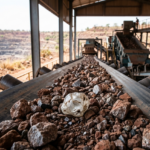
CIMFR has developed a process to convert coal mine overburden into concrete aggregates for construction applications. The technology offers a sustainable solution for managing mining waste while reducing dependence on natural stone resources.
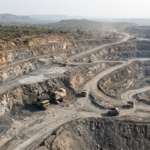
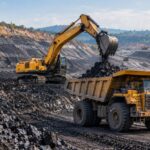
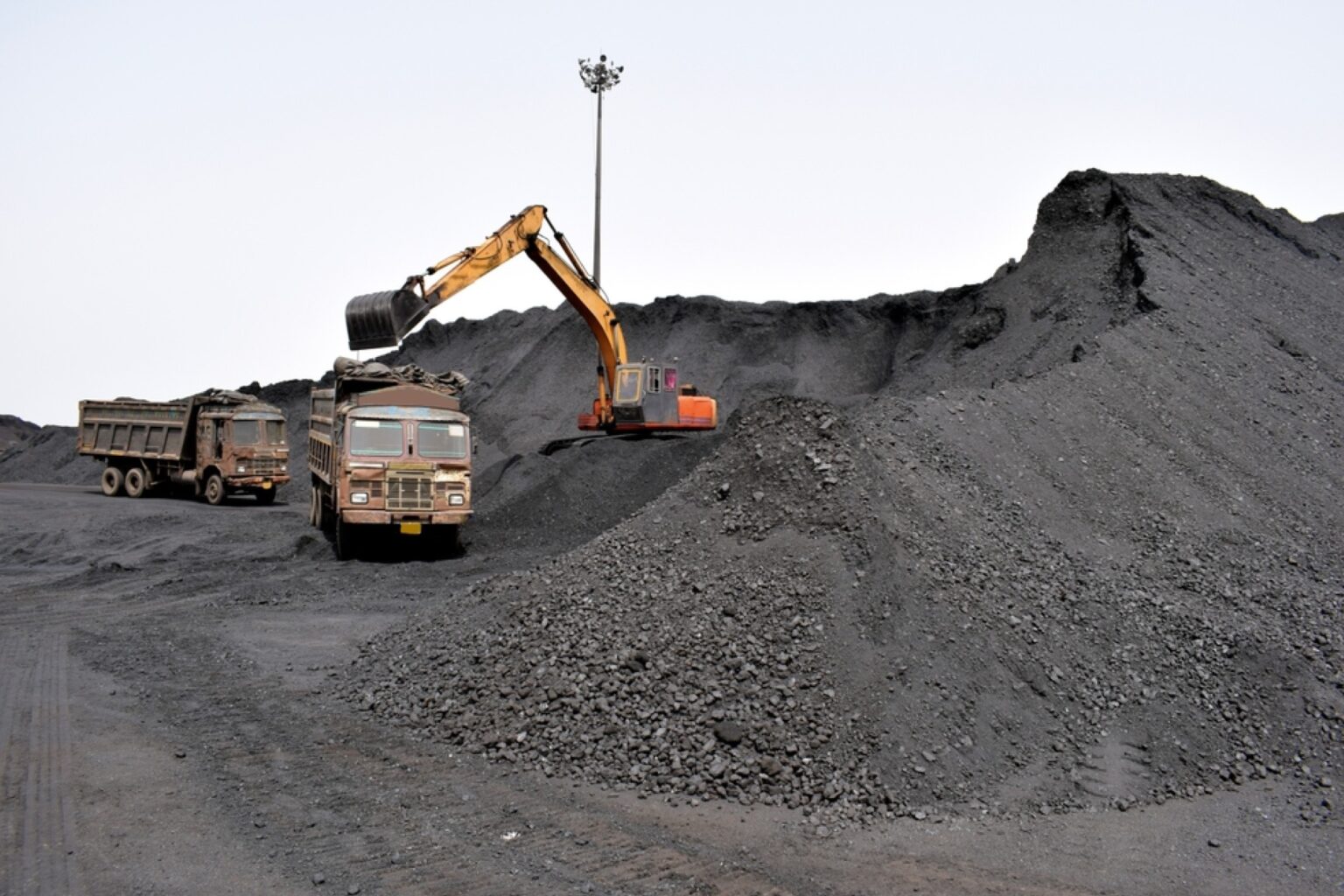
The Central Institute of Mining and Fuel Research (CIMFR), Dhanbad, has developed a method to convert coal mine overburden—a waste material generated during coal mining—into concrete aggregate for use in construction.
According to the institute, extensive testing has shown that concrete produced using processed overburden performs on par with conventional concrete in terms of strength, durability and workability. Researchers found that the material can replace natural stone aggregates in varying proportions without affecting structural performance.
The technology has been under development for the past four years and is currently undergoing the patenting process. Once approved, CIMFR plans to move towards commercial-scale production.
The innovation could provide significant environmental benefits by reducing the volume of mining waste while lowering the demand for natural stone aggregates. Researchers estimate that every tonne of overburden aggregate used in construction can help avoid the extraction of an equivalent amount of natural stone, contributing to the conservation of natural resources and reducing environmental degradation.
A cost analysis conducted as part of the study found that producing aggregates from coal mine overburden is nearly 65 per cent cheaper than using natural aggregates. The use of overburden-based aggregates in M30-grade concrete could reduce construction costs by around 18 per cent, offering substantial savings for large infrastructure projects such as roads, bridges and railways.
The development adds to a growing body of research supporting the use of coal mine overburden in construction applications. Several studies have highlighted its potential as a sustainable alternative to natural aggregates, helping reduce waste generation and promote circular economy practices in the construction sector.
Source: The New Indian Express.